Equipment
Equipment needed after an elderly parent leaves the hospital
Do not guess on equipment. Ask the care team what is needed, who orders it, whether it must be in place before discharge, and who will teach the family how to use it safely.
Reviewed and updated October 18, 2026
Quick answer: Clarify mobility equipment, bathroom setup, bed or chair setup, stairs, lighting, oxygen or special equipment, delivery timing, and who owns the order before your parent leaves the hospital.
Mobility equipment to ask about
- Walker, cane, wheelchair, gait belt, transfer board, or other transfer aid.
- Whether the equipment is required, recommended, temporary, or only for certain situations.
- Who should fit or adjust the equipment.
- Whether a therapist or nurse should teach the family how to use it.
- Whether the equipment must be at home before discharge or can arrive later.
Bathroom setup
The bathroom is often where families first realize home is harder than the hospital room.
- Shower chair or tub transfer bench.
- Raised toilet seat or bedside commode.
- Grab bars or safer handholds where recommended by professionals.
- Non-slip mats, clear walking paths, night lighting, and a way to call for help.
- Whether someone should assist with bathing until the care team says otherwise.
Bed, chair, stairs, and lighting
| Area |
What to check |
Question to ask |
| Bed | Height, path to bathroom, nightstand, phone, lighting | Can they get in and out safely? |
| Chair | Stable arms, safe height, clear space for walker | Where should they sit during the day? |
| Stairs | Rails, lighting, clutter, number of steps | Are stairs allowed, limited, or unsafe right now? |
| Lighting | Hallway, bedroom, bathroom, entryway | Can they move at night without guessing? |
| Walking paths | Rugs, cords, pets, furniture, wet floors | What needs to be moved before the first night? |
Worth a look
Turn the lamp on from your chair
First check the furniture, lighting and walking paths your parent already has. If the lamp switch is hard to reach or bending to put on shoes is difficult, these household items may help.
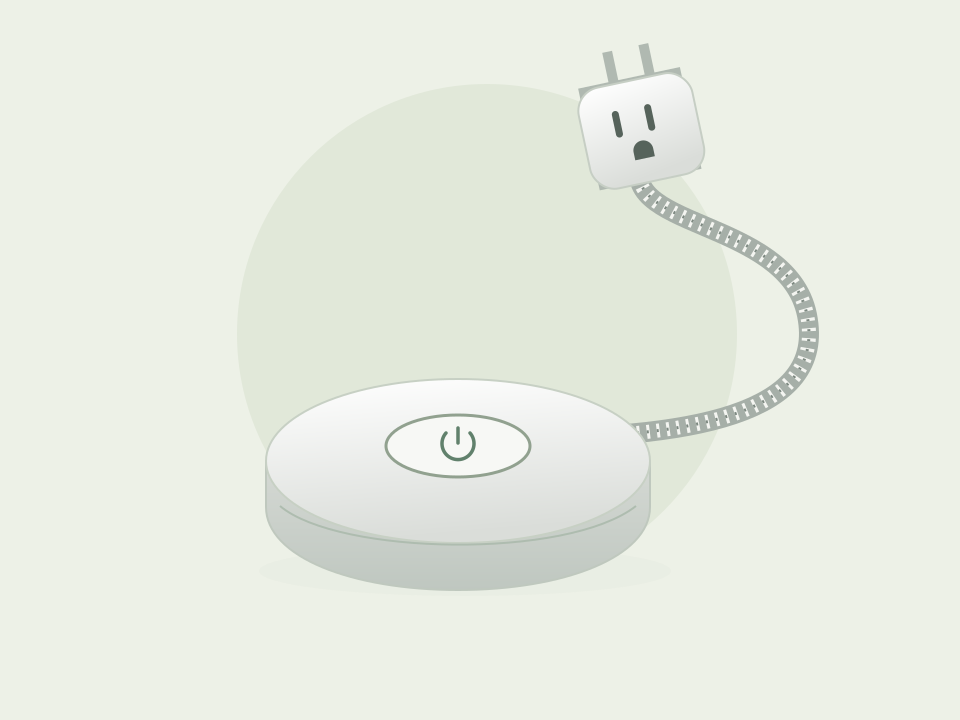
Place the Cordinate 41095 on/off button within reach of the usual chair or bed, so your parent can use a lamp without reaching behind furniture.
Why we chose it
Jasco lists a slip-resistant tabletop button and a six-foot cord. You may be able to move a lamp or use a reachable switch you already have instead.
Before using it
- Leave the lamp’s own switch on. Test that the tabletop button turns it off and on, and that the lamp comes back on after power is restored. Some lamps stay off when power returns.
- Follow both products’ instructions, keep the cord out of walking paths, and use this for a lamp, never essential powered equipment.
- Model 41095 is rated 125VAC, 8A, 1000W maximum; 300W for tungsten lamps.
See the switch at Jasco ↗
Plain manufacturer link. FEP earns no commission and has not tested this switch hands-on; this choice uses Jasco’s published specifications.
Putting on shoes before heading home
If your parent has trouble bending to reach a shoe, a long-handled shoehorn may help with dressing while seated. Vive’s grey LVA2007GRY has a 23-inch handle, an oval grip and a hook for removing socks.
Check first: A shoehorn does not replace help with balance or the care team’s dressing and movement instructions. Try a long-handled shoehorn already at home if it works for your parent.
See the grey shoehorn at Vive Health ↗
Plain manufacturer link. FEP earns no commission and has not tested this shoehorn hands-on; this choice uses Vive’s published details.
Household setup guidance: https://familyelderplanning.com/equipment-needed-after-elderly-parent-leaves-hospital/
Oxygen or special equipment caveat
Oxygen, wound supplies, feeding supplies, hospital beds, monitoring equipment, and other special equipment can involve specific orders, instructions, suppliers, and safety rules. Do not improvise with these items. Ask the care team, supplier, or licensed professional how they should be delivered, stored, used, and monitored.
Safety note: If equipment instructions conflict or are unclear, pause and call the care team, supplier, therapist, doctor, or pharmacist as appropriate.
Who orders equipment?
The answer depends on the specific situation. The hospital, rehab facility, therapist, doctor, case manager, home-health agency, supplier, insurer, or family may each have a role. Ask these questions before discharge:
- Is this equipment required before discharge?
- Who writes or confirms the order?
- Which supplier is responsible?
- When should delivery happen?
- Who pays, and what should family ask the insurer or supplier?
- Who teaches safe use?
- What is the backup plan if delivery is late?
Confirm what is needed with the care team, then fill in this sheet by hand.
| Item |
Needed? |
Owner |
Before discharge or later? |
Notes |
| Walker/cane/wheelchair | | | | |
| Shower chair or tub bench | | | | |
| Raised toilet seat/commode | | | | |
| Bed or chair setup | | | | |
| Oxygen or special equipment | | | | |
| Medication organizer | | | | |
| Lighting and clear paths | | | | |
| Emergency phone/contact access | | | | |
Family Elder Planning · familyelderplanning.com/equipment-needed-after-elderly-parent-leaves-hospital/
No affiliate links are used on this page. Choose equipment based on professional guidance and your parent's actual home setup.
Add equipment to the hospital-to-home plan
The Free Elderly Parent Discharge Plan helps you record what equipment is needed and who owns each next step. The First 14 Days Home Kit adds a printable home setup walkthrough and family task assignment sheet.
Related hospital-to-home planning pages
MORE FREE TOOLS
Check the home setup and who will help
Find your next step · Plan who can be there · Make a home setup list
Free to use, with no email needed. Your answers stay in your browser.
References and further reading
See the editorial policy for source selection, review, AI-assistance, and corrections.